Bezant Resources announced that 130 employees and contractors are now based at its Hope and Gorob copper-gold project as it prepares to process its first run-of-mine ore through the Tsoaxaub plant this month.
The staffing milestone highlights the growing scale of operations at the site, where active mining has commenced alongside ongoing construction and commissioning work aimed at achieving initial concentrate production.
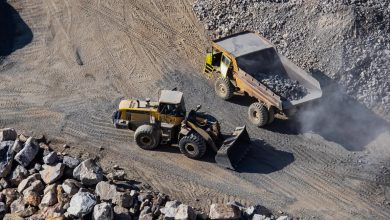
Currently, the mine camp is about 75% complete and already accommodates the workforce driving daily operations. With the first two production blasts successfully completed, the project is accumulating ore stockpiles ahead of processing, having exceeded projected tonnage from these initial efforts.

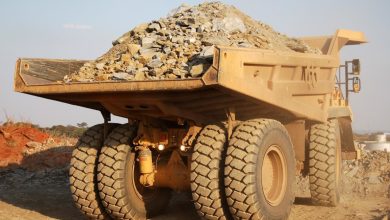
Bezant has also deployed the full Unitrans mining and haulage fleets to site, enhancing its capacity to move ore efficiently as production ramps up.
Project development progresses quickly
Hope and Gorob is developing as an open-pit copper-gold operation, with ore transported to the nearby Tsoaxaub processing facility. Site activity now encompasses mining crews, contractors, haulage equipment, and camp infrastructure working in tandem.
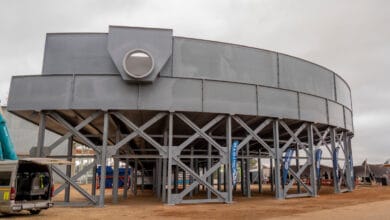
The company reports that 75% of the required surface infrastructure is delivered and that the C1 structural and civil completion milestone has been achieved. Mechanical completion under the C2 milestone is expected in September, with electrical drives and instrumentation approximately 90% complete.
Additionally, the ore sorter is currently clearing customs, and the first processing reagents have arrived on site, marking crucial steps toward operational readiness.
Expansion plans under active review
Reflecting strong confidence in the project’s potential, Bezant and its partners are accelerating a review of a Phase II expansion. This is driven by favorable commodity prices and encouraging development results.
Options under consideration include a higher mass-pull processing strategy to increase production from the existing mineral inventory. Previously, the project was expected to have a mine life of approximately 35 years, though a revised economic model reflecting expansion scenarios has yet to be published.