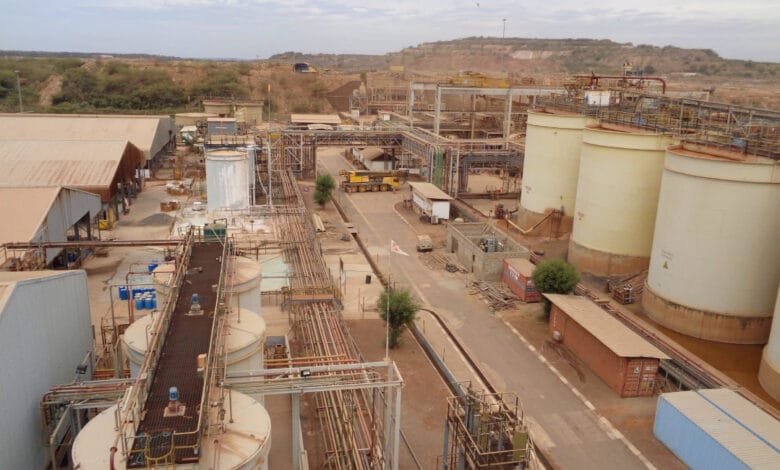
Allied Gold will invest in a large-scale solar and battery system to secure power supply at its Sadiola mine in western Mali, as the country continues to face chronic electricity shortages.
The company announced a three-year integrated energy program (2026 – 2028) developed with African Power Services (APS) to support the mine’s phased expansion. The initiative underscores the increasing role of renewable energy in West Africa’s mining and industrial sectors.
Allied Gold will begin by installing 14 MW of modern diesel generators to stabilise power output. In 2027, the company will add a 35 MW solar plant coupled with a 30 MWh battery storage system.

A third phase will introduce medium-speed thermal units and expand solar capacity to 60 MW with 45 MWh of storage. According to company projections, the system will meet 40% of the mine’s power needs by 2027, cutting energy costs by 20% initially and by 45% once the full program is deployed.
The hybrid setup is expected to lower Sadiola’s all-in sustaining costs by US$150 – US$200 per ounce of gold. Allied Gold will finance the first installations through deferred payments, limiting upfront capital expenditure while maintaining project momentum.
This approach reflects a growing industry trend in Africa, where miners seek to offset fuel costs and reduce emissions through renewable energy integration.
Mali’s fragile national grid, heavily dependent on imported petroleum, struggles to meet industrial and residential demand. By deploying solar infrastructure, Allied Gold aims to enhance energy independence and boost operational reliability at Sadiola.
Analysts say the initiative sends a strong signal about solar power’s potential to drive energy sovereignty and industrial competitiveness in the region. The move also reinforces Mali’s ambition to diversify its energy mix while supporting one of its key economic sectors – gold mining.