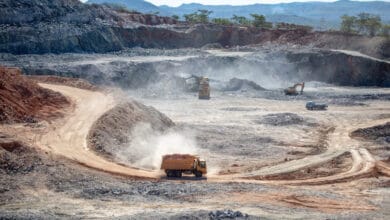
KoBold Metals has moved its Mingomba project in Zambia into development work and is guiding to first copper in the early 2030s, according to its Africa chief. That timeline lines up with Zambia’s push to grow output to 3 million metric tons by 2031. Whether it becomes a pillar of that goal will come down to geology, power, smelting capacity, and capital discipline. This is a technically demanding orebody in a region where policy conditions have improved, but infrastructure and hydrology remain constraining factors.
Zambia copper targets meet project reality
Zambia is Africa’s number two copper producer after the DRC. National output has hovered around the mid hundreds of thousands of tons in recent years, and the government has set a 3 million ton ambition by 2031. Hitting that figure requires sustained expansion at existing operations like Sentinel and Kansanshi, the Lumwana Super Pit project, the Mopani restart, and at least one or two new high grade underground mines. Mingomba matters because it sits on the Zambian Copperbelt, which hosts sediment hosted, stratiform copper in Roan Group rocks that can deliver grades far above global averages. A mine that consistently produces copper at grade north of 2% could add meaningful tonnage at competitive unit costs, but only if the depth and ground conditions do not overwhelm development schedules.
What Mingomba geology implies for cost and schedule
The Copperbelt’s best orebodies, like Konkola and parts of Mufulira, are deep and water bearing. That is a strength and a weakness. High grade rock supports lower operating costs per pound, but getting to it demands shaft sinking, heavy dewatering, ventilation, and refrigeration. These are multi year capital items that drive long lead times. If Mingomba mirrors nearby deposits, expect mining widths constrained by stratigraphy, extensive ground support, and a need for paste backfill to manage stope stability. Method choice will matter. A bulk method like sub-level caving can scale but increases dilution risk in layered rocks. More selective stoping protects grade but caps throughput and stretches payback. The early 2030s start suggests a multi year engineering and sinking program first. Any underestimation of water inflows, faulting, or weak horizons can add years and billions in capex across deep Copperbelt mines. Investors should anchor on independent resource statements, geotechnical models, and the mining method decision to gauge realism in schedules.

Infrastructure and power are pivotal inputs
Power and water shape feasibility in Zambia as much as geology. The country relies on hydropower. Drought cycles have triggered periodic load curtailments, most recently in 2024, forcing operators to throttle production and rethink expansion timelines. Deep mines need reliable baseload for pumping and cooling. A binding power supply agreement and, ideally, dedicated backup generation or firmed grid capacity reduce this risk. On logistics, Copperbelt mines benefit from established road and rail, but consumables and spare parts often move through congested corridors. Sinking consumables, cement for backfill, and refrigeration plant components are sensitive to shipping delays. A credible schedule must show early orders for long lead items and contracts that lock in transformer, hoist, and mill deliveries. The absence of those is a red flag when companies promise first copper within a decade.
Smelting and offtake bottlenecks still loom
Producing concentrate is not the same as selling copper. Zambia’s smelting network has been uneven. The Kansanshi smelter provides substantial capacity and helps stabilise the region, and there are other units at Mopani and Chambishi, but several facilities have undergone maintenance or change of ownership, with throughput varying year to year. New concentrate from underground mines could face treatment and refining charge volatility depending on how quickly smelters return to stable, higher rates or expand. If Mingomba produces a concentrate with arsenic or other deleterious elements, penalties will climb. Transparent offtake strategies will be key. Binding memoranda with domestic smelters or cross border arrangements with DRC and eventual cathode sales reduce market risk. Watch for metallurgical testwork that outlines liberation, expected recoveries, and impurity profiles. High grade does not automatically translate into easy metallurgy.
Financing path and partnership options
Mingomba will require substantial capital regardless of its final design. Deep shafts, refrigeration plants, paste plants, and underground fleets do not come cheap. KoBold has backing from well known technology and resource investors and has raised significant private capital, but a greenfield underground mine typically entails a multibillion dollar spend over development and ramp up. The industry norm at this scale is to bring in a partner, use project finance tied to offtake, or both. The cost environment has also shifted. Post pandemic inflation in steel, explosives, cement, and labor lifted capex and opex across Africa. Strong copper prices can offset, but only if price decks and financing terms remain disciplined. Pay attention to whether KoBold publishes a scoping or pre feasibility study with transparent capex ranges, exchange rate assumptions, and sensitivities to power tariffs and treatment charges. Absence of these details before a build decision increases execution risk.
Policy and competitive landscape on the Copperbelt
Zambia has worked to restore investor confidence by making mineral royalties deductible and fast tracking some permitting. That has helped Barrick move ahead at Lumwana and attracted new investment into Mopani. The risk is not gone. Currency volatility in the kwacha can swing costs for imported inputs. Regulatory timelines can still stretch when projects need land access and resettlement agreements. Community relations on the Copperbelt are a tangible operating variable. Companies that overpromise on local jobs or underinvest in groundwater management see setbacks. Competitive pressure is rising as well. The DRC Copperbelt has been adding production faster, supported by new hydromet flowsheets at shallow, high grade orebodies. For Zambia to hold its share and approach its target, projects like Mingomba must clear higher bars on execution and efficiency. That puts a premium on proven underground teams and transparent engagement with Zambian stakeholders.